
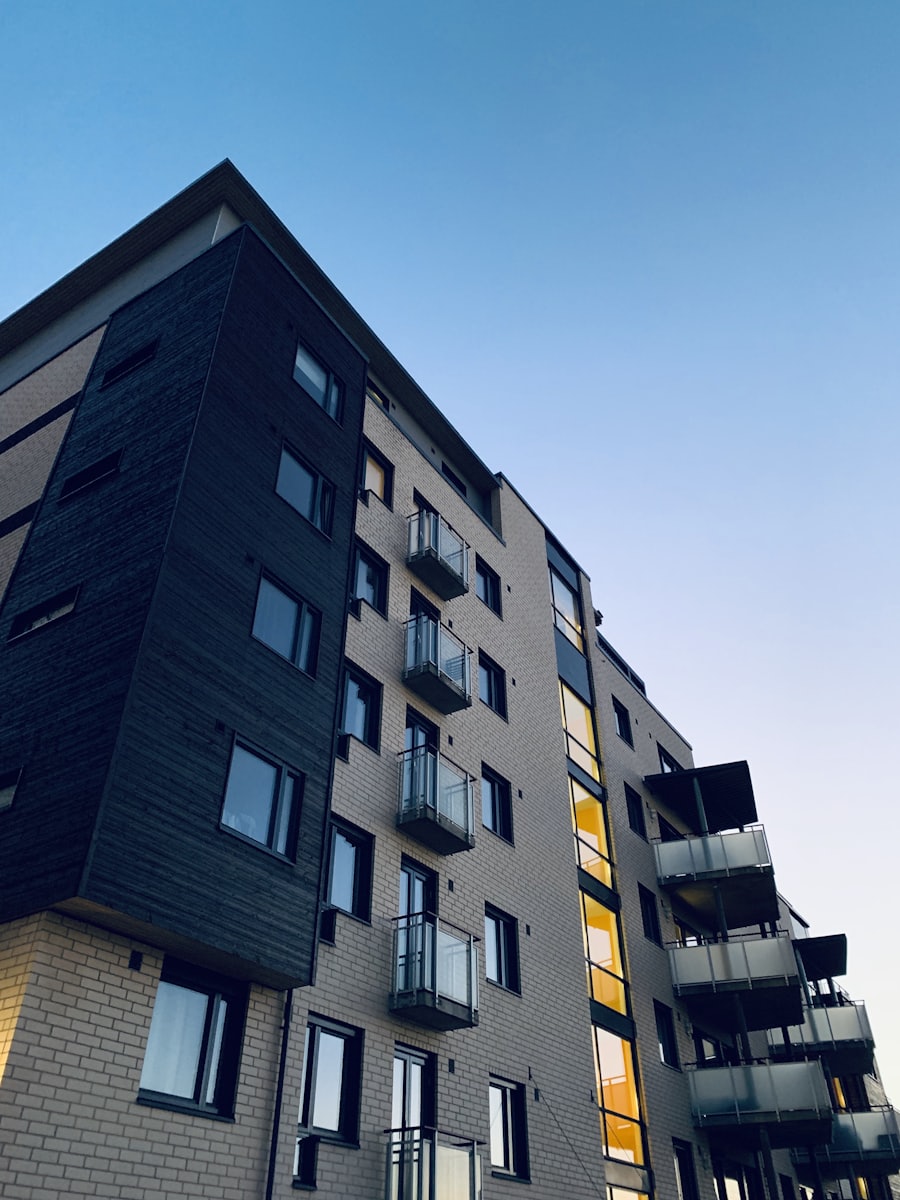
The mixed-use parking problem
Mixed-use developments put incompatible demands on the same car park. Office workers want all-day spots. Retail shoppers want quick turnover. Residents expect their bays to be there when they get home. Apartment guests need visitor access. And the DA says each use gets a fixed number of bays that doesn't match how anyone actually uses the facility.
For the lease mechanics, read our model. For owner outcomes, see developers & owners.
Traditional parking operators inherit these conflicts but have no power to solve them. They can't change allocations without owner approval. They can't adjust pricing without committee approval. Every dispute ends up back on the developer's desk.
We approach it differently. We lease the whole facility and take on the allocation problem ourselves.
Who owns the problem?
Under a management agreement, you own the problem. The operator runs the equipment, but when the strata committee complains about retail shoppers using resident bays, that comes to you. When the office tenant thinks they're entitled to more parking than their allocation, you negotiate. Pricing changes require your approval.
Under a lease, we own the problem. You get fixed rent. We make the allocation calls, manage pricing within agreed guardrails, handle the enforcement, and absorb the complaints. When users are unhappy with parking arrangements, they deal with us.
We take allocation disputes off your plate because we carry the income risk. If we get the allocation wrong, we lose money. That gives us the incentive to get it right.
Working within DA constraints
Most mixed-use developments have parking ratios locked in by planning approval. Residential gets a certain number of bays. Retail gets another. Office gets another. These numbers were calculated before anyone knew how the building would actually operate.
The result is often structural inefficiency. Retail has 100 allocated bays but uses 40 on a Tuesday afternoon. Office has 200 but only 120 show up since hybrid work started. Residential guests can't find spots even when half the car park is empty.
We work within the DA constraints while finding ways to use bays more efficiently. Time-based access. Shared zones during off-peak periods. Guest overflow arrangements. The goal is to maximise utilisation without violating planning conditions.
Traditional operators manage to the letter of the DA. We optimise within it.
How we operate mixed-use facilities
We take a whole-of-facility approach. Rather than managing each use as a separate silo, we run the car park as one integrated operation.
That means single access control systems that know who's who. Office staff get their zones. Residents get guaranteed access. Retail operates on turnover. Visitors can find spots. And all of it runs on one platform with clear rules.
We coordinate with retail tenants on validation programs. We work with strata committees on resident and guest policies. We handle office tenant parking as part of their overall relationship with the building. But the operational decisions sit with us.
We also fund the technology. ANPR, access control, payment systems, signage. That's our capital, deployed as part of the lease, not your capex budget.
Staged developments and fill-up risk
Mixed-use projects often deliver in stages. The car park is finished, but the office tower isn't tenanted yet. The apartments are sold but the retail is still fitting out. Demand builds gradually, not all at once.
Under a management agreement, the owner carries that risk. Allocated bays sit empty. Income lags behind projections. The operator has no incentive to fill the gap because they're paid regardless.
We're willing to sign leases before the development is fully stabilised. If stages are delayed or tenancies take longer to fill, we absorb that in our planning. We'll structure adjustments for factors you control, but they're temporary and they disappear once the site stabilises.
We take parking risk. We don't take construction or leasing risk.
The financial picture
Mixed-use parking under a lease creates a cleaner financial structure.
Instead of variable income that depends on how well different uses coordinate, you have contracted rent. The income starts when the car park is handed over, not when all uses are operational. Escalations are built in. Valuers and lenders can underwrite it like any other lease.
Just as importantly, parking disputes don't land in your capital structure. When there's a fight over who gets which bays, we handle it. When allocation needs to change as the development matures, we make the call. The complexity stays with us.
Common questions about mixed-use parking
How is a parking lease different from a management agreement?
How do you handle resident parking entitlements?
What about retail validation?
Who do residents complain to?
What if the office component doesn't lease up?
How do you coordinate with so many different parties?
What technology do you use?
Got a mixed-use project with parking headaches?
If you're tired of refereeing parking disputes between uses, let's talk. No pitch deck, just a conversation about whether your development is a fit.
Start a conversation